What Does Reiki Feel Like?
You’ve probably heard people rave about how relaxed they felt after Reiki—but if you’ve never tried it, you might be wondering: What does Reiki actually feel like? Does it hurt? Will you see colors? Will you float off into another dimension?
Let’s talk about it, like we’re having coffee and you just asked me what it’s like. Because honestly, Reiki is one of those things you don’t really get until you feel it for yourself—but I’ll do my best to walk you through it.
💜 So… What Does Reiki Feel Like?
This is probably the most common question I get. And the truth is, Reiki feels different for everyone. But here’s what most people describe:
💜 A warm, tingling sensation where the practitioner’s hands hover or touch lightly.
💜 Pulsing or subtle waves of energy moving through the body.
💜 Deep relaxation—like that hazy, floaty moment right before you fall asleep.
💜 Emotional release: some people cry, laugh, or feel a sudden shift.
💜 A gentle chill or cool breeze, especially around the face or feet.
💜 Sometimes people even feel extra sets of hands or a presence nearby—it’s not spooky, just deeply peaceful.
And if you don’t feel anything at all? That’s okay too. Reiki works whether you feel it or not. Energy moves in its own way, and your body receives what it needs.
💜 What’s Actually Happening During a Reiki Session?
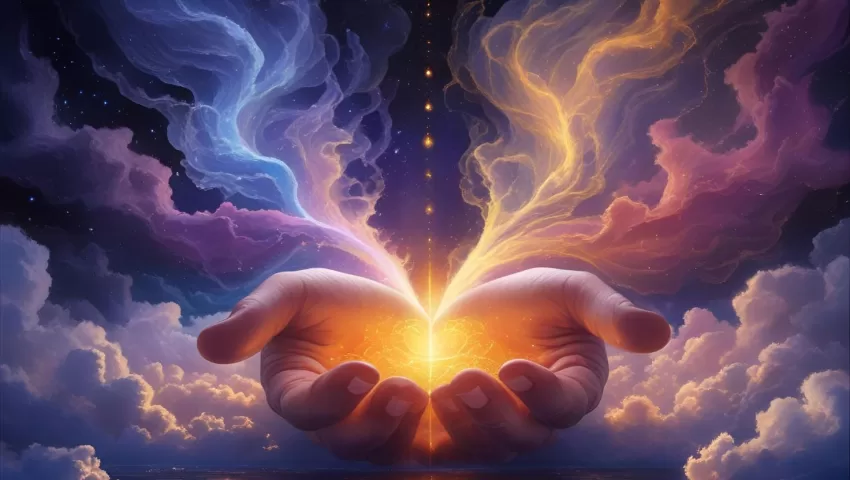
Reiki is an energy healing practice that taps into the body’s natural ability to heal itself. A trained Reiki practitioner gently places their hands on or above you, allowing universal life force energy (what some call Chi, Prana, or Holy Spirit) to flow where it’s needed.
You stay fully clothed, lying down or sitting comfortably. You don’t have to “do” anything—just breathe and receive.
What’s happening energetically is a rebalancing of your chakra system, your energetic pathways, and a deep invitation to your nervous system to switch from fight-or-flight mode into rest-and-digest. It’s like hitting the reset button for your spirit.
💜 Is It All in My Head?
Fair question. Reiki hasn’t been fully explained by science (yet!), but research does show that it can activate the parasympathetic nervous system. That’s the part responsible for calming the body, lowering blood pressure, and helping with healing.
A lot of hospitals and wellness centers use Reiki as a complementary therapy—especially for patients with chronic illness, anxiety, cancer, or post-surgery recovery. So while we don’t yet have all the scientific tools to “prove” the energy aspect, the effects are real enough for medical communities to take notice.
💜 Why Do Some People Cry or Feel Emotional During Reiki?
This is totally normal. When your body relaxes deeply, it lets go of old emotional patterns. Sometimes that shows up as tears, laughter, memories bubbling up, or just a big feeling of release.
You might not even know what’s being released—and that’s okay. Reiki doesn’t require you to dig into your trauma. It meets you where you are and gently helps you let go of what’s no longer serving you.
Sometimes people even come out of the session feeling lighter, like they’ve been carrying emotional weight they didn’t even realize was there.
💜 What Are the Actual Benefits?
Reiki isn’t a magic wand—but it is a beautiful support system. Here are some of the common benefits:
💜 Stress relief and emotional regulation
💜 Better sleep and reduced anxiety
💜 Pain management and faster recovery
💜 Improved mood and mental clarity
💜 Deepened spiritual connection or a sense of calm
💜 Support during grief, burnout, and emotional transitions
Think of it like an energetic tune-up. Your car runs better with regular maintenance—your body and energy do, too.
💜 Is Reiki Safe to Use With Other Treatments?
Yes, absolutely. Reiki is considered a complementary therapy, which means it works alongside your doctor’s care—not in place of it. Whether you’re recovering from surgery, going through cancer treatment, or managing chronic pain, Reiki can support your journey.
Studies have shown Reiki may help reduce post-op pain, improve recovery times, lessen anxiety, and even help with nausea or fatigue caused by treatment. While we don’t claim Reiki replaces medicine, it can definitely make the journey feel more manageable.
Always let your healthcare team know you’re receiving Reiki, especially if you’re managing a complex condition. But it’s gentle, non-invasive, and perfectly safe to incorporate into your wellness plan.
💜 What If I Don’t Feel Anything During My First Session?
Totally normal! Some people feel things instantly, while others just feel relaxed and don’t notice a lot happening.
But just like exercise or meditation, the benefits can build over time. Reiki meets you where you are. Some sessions are quiet and subtle. Others feel electric. Every experience is valid.
Some people even report that they didn’t realize how deeply it affected them until hours—or even days—after the session.
💜 Chakra Balancing & the Energy Body
Let’s talk chakras. These are energy centers in the body, and Reiki often works directly with them.
When a chakra is blocked, you might feel physical symptoms or emotional funkiness (think anxiety, fatigue, or tension). During Reiki, energy flows through these centers, helping to release stuckness and bring you back into alignment.
You may feel buzzing, pulsing, or even emotional shifts as a particular chakra is being cleared. It’s all part of your energy body rebooting and finding harmony.
💜 Bottom Line: Reiki Feels Like Coming Home to Yourself
Whether it feels warm, tingly, or just plain relaxing—Reiki is a gentle way to reconnect with your inner calm, let go of stress, and give your body the space it needs to heal.
You don’t need to understand how it works for it to work. Just be open, show up, and receive. The rest unfolds naturally.
FAQ
Q: What does Reiki feel like physically?
A: Warmth, tingling, pulsing, cool breezes, or sometimes nothing at all—but still effective.
Q: Is Reiki safe with medical treatments?
A: Yes. It’s a complementary therapy and can support physical and emotional healing alongside medical care.
Q: Can Reiki help with anxiety, sleep, or pain?
A: Many people report improvements in sleep, mood, anxiety, and physical discomfort.
Q: Is it spiritual or religious?
A: Reiki is spiritual in nature but not tied to any religion. It’s about energy, balance, and peace.
Q: Can I do Reiki on myself?
A: Absolutely. Many people learn to give themselves Reiki. It’s a beautiful form of self-care.
Q: How often should I get Reiki?
A: It depends on your goals. Some come weekly, others monthly. Listen to your body—it’ll tell you what it needs.
Disclaimer
Reiki is a complementary energy healing practice and is not a substitute for professional medical advice, diagnosis, or treatment. Always consult with a qualified healthcare provider for any medical conditions or concerns. Reiki practitioners do not diagnose conditions or prescribe medication. Results may vary.
Curious to try it for yourself?
Book a personal distance session: www.lisabeachy.com
Need a little Reiki now?
Check out my meditations and energy videos on YouTube:
Stay open. Stay curious. Healing might just be one session away.